
Short Roping for Recreational Climbers
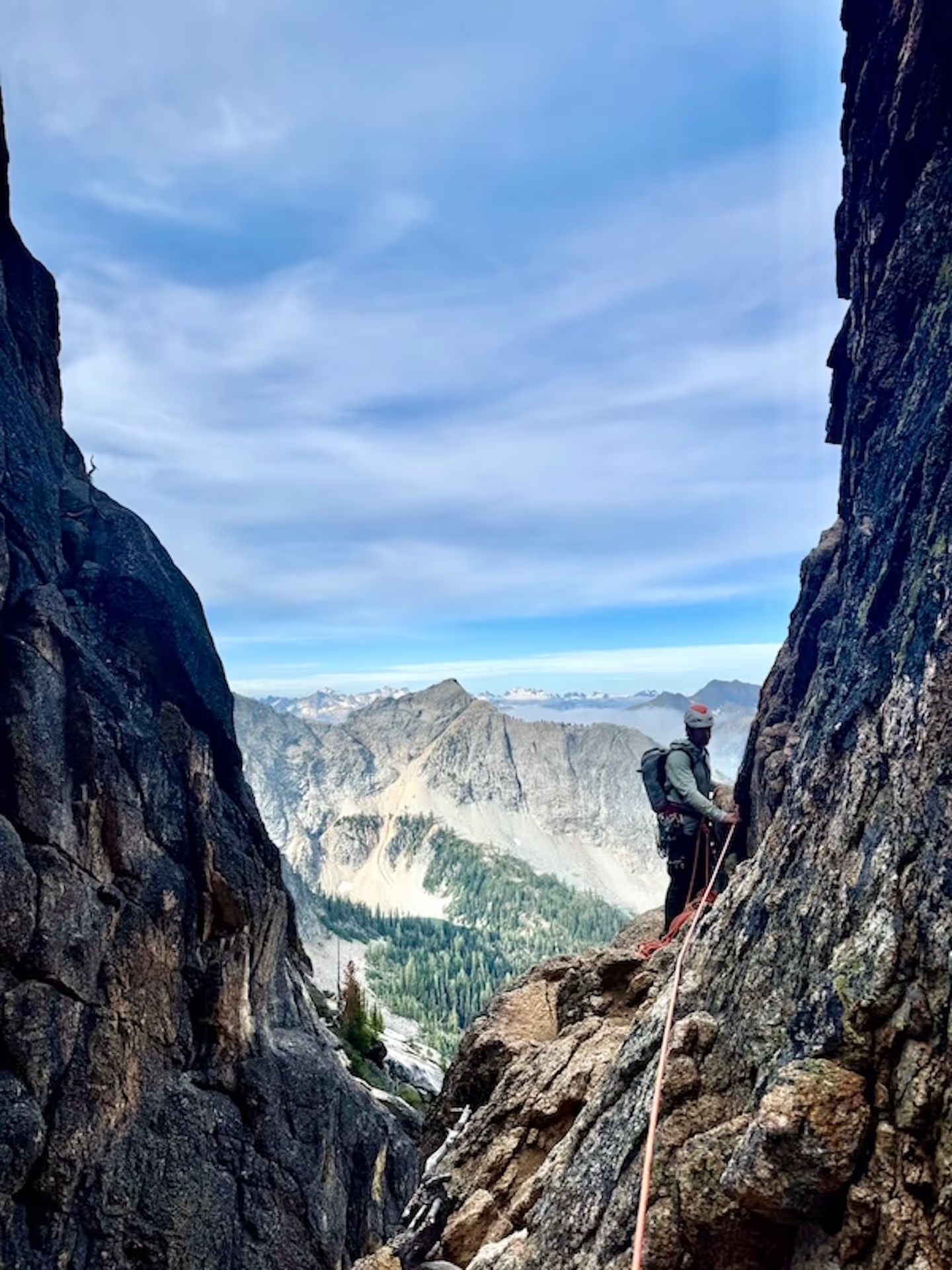
Short Roping for Recreational Climbers Course Overview
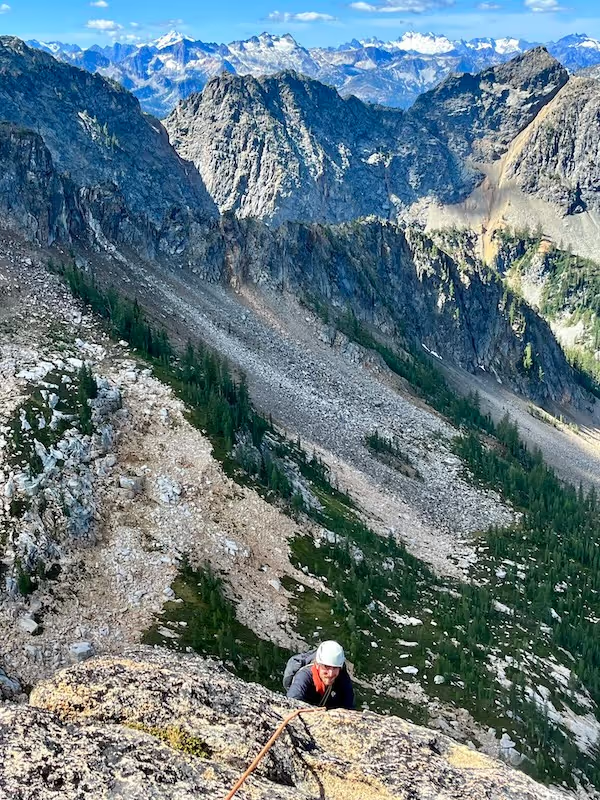
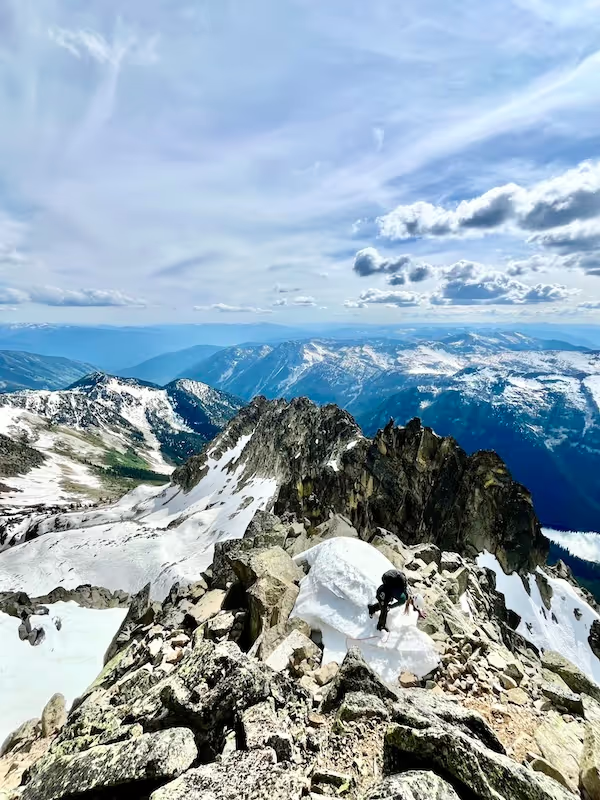
Demystify the art of moving together on technical terrain. Designed specifically for experienced recreational mountaineers, this intensive course teaches you how to safely manage a rope when navigating exposed ridges, scrambles, and moderate alpine terrain where climbing is too slow. Under the direct mentorship of certified alpine guides, you will learn when, where, and exactly how to apply short roping and short pitching techniques to maximize safety without sacrificing group efficiency.
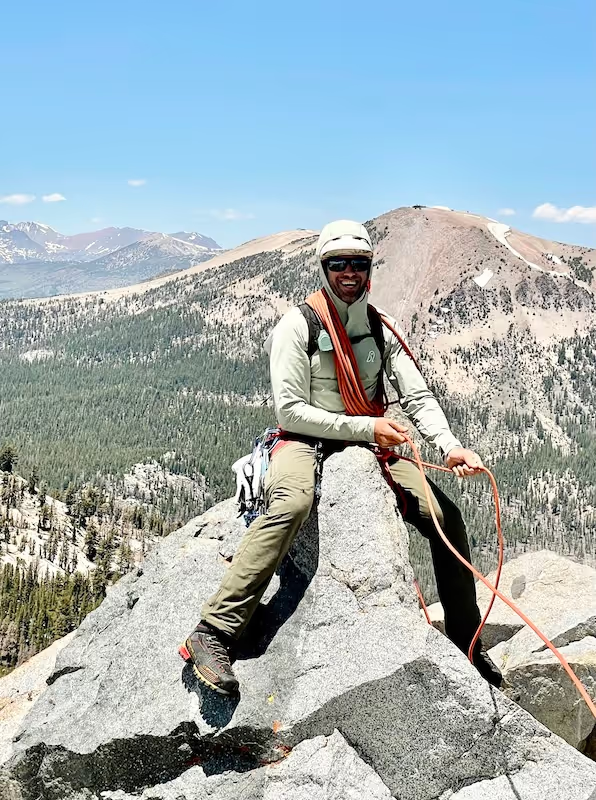
Core Technical Skills You Will Learn
Our practical curriculum targets the critical decision-making and physical mechanics required for fluid alpine travel:
- Short Roping vs. Short Pitching: Master the crucial distinctions between moving together over complex terrain versus pitching out a section of the route.
- Hand Coil Management: Learn how to quickly take and adjust hand coils to keep the rope tension precise between you and your partner.
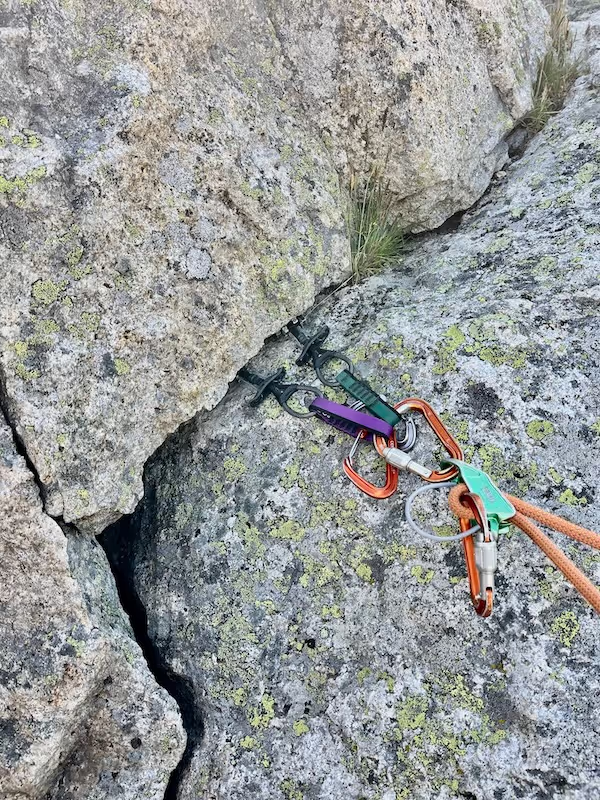
- Terrain Anchoring & Body Belays: Practice utilizing natural features—like rock horns, trees, and terrain breaks—for rapid, on-the-go body and terrain belays.
- Risk Assessment & Thresholds: Develop the judgment to know exactly when short roping is safe, when it becomes dangerous, and when it is time to transition back to pitching out a route.
Our Small-Group Guiding Guarantee Short roping is an advanced, high-consequence skill that leaves zero room for error. To guarantee absolute safety, precise tracking, and direct, real-time coaching on your rope tension, this program runs at an ultra-low 2:1 student-to-guide ratio.
Course Prerequisites
Short roping requires a high baseline of movement confidence. Participants must meet the following entry criteria:
- Alpine Competence: Solid experience scrambling or alpine climbing on exposed Class 3 and 4 terrain.
- Rope Basics: Complete comfort with basic knots (clove hitch, figure-8) and standard partner belay systems.
- Movement Skills: Confident footwork and solid balance while wearing a mountaineering pack on loose or uneven rock.
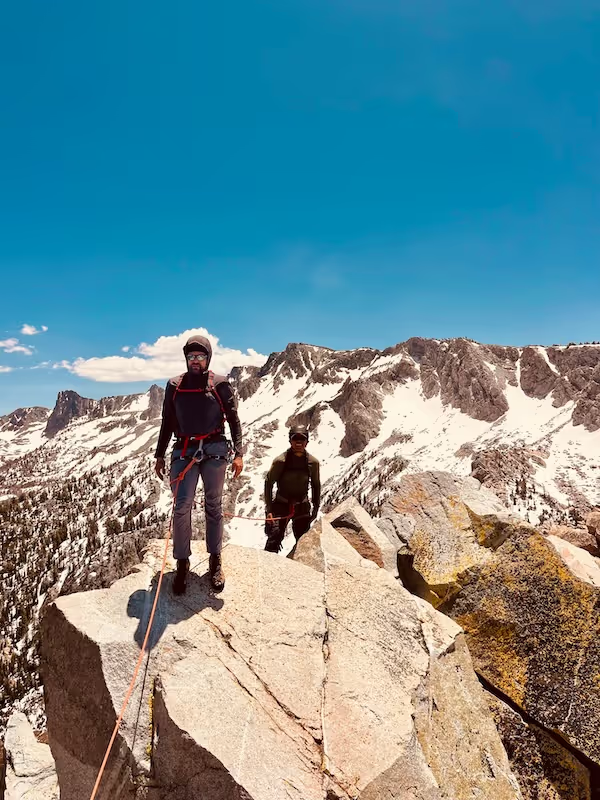
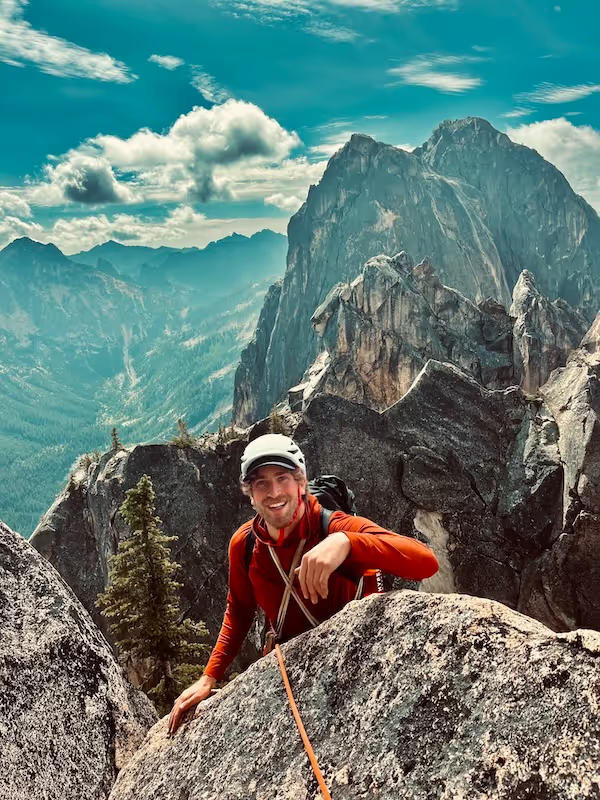
Course Format
Course Format
Instruction Style
Highly progressive. You will start with ground-level drills practicing spacing and coil management before heading into real simulated terrain to practice movement under guide supervision.
Enrollment & Available Dates
Pricing & Logistics
- Price: $400 + GST per person
- Duration: 1 Full Day
- Location: Kootenays, BC
- Included: Professional guiding
Physical fitness
Sustained climbing and skiing at elevation demands aerobic capacity and leg strength.
Mountain experience
Prior backcountry skiing or mountaineering experience is strongly recommended before enrollment.
Equipment list
Technical Climbing Gear
- Mountaineering Boots or Technical Approach Shoes: Stiff, sticky-soled footwear with excellent traction for scrambling.
- Climbing Harness: A lightweight rock or alpine climbing harness in excellent structural condition.
- Climbing Helmet: A UIAA-approved helmet (mandatory for all field sessions).
- Belay Device & Locking Carabiners: A standard tubular belay device along with 3 locking carabiners.
- Slings & Cord: One 120cm sewn nylon or dyneema sling and a 5m length of 7mm accessory cord.
- Single Rack
Personal Apparel & Pack
- Alpine Daypack: A streamlined 25L to 35L pack that sits tightly against your back while scrambling.
- Weather Layers: A windproof/waterproof shell jacket and a light packable insulation layer for ridges.
- Active Wear: Durable, stretchy mountain pants that allow full range of motion.
Food & Personal Essentials
- Hydration: Minimum 2L of water in lightweight, durable bottles.
- Nutrition: High-energy snacks and a packed lunch that can be eaten quickly on the move.
- Sun Protection: High-SPF sunscreen, UV lip balm, and sunglasses.
Arctos Trip Inventory
The complete Arctos Trip Inventory