
Rock Rescue Course
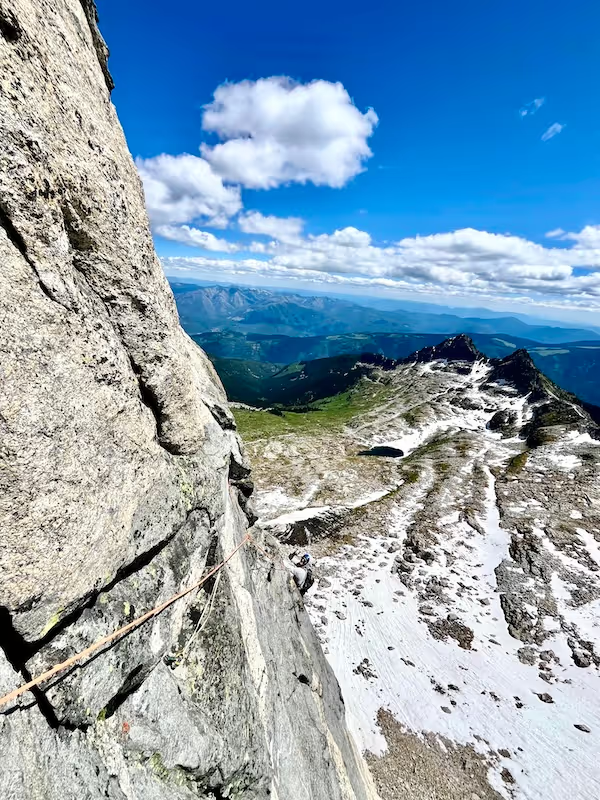
Rock Rescue Course Overview
What happens when things go wrong on a multi-pitch rock climb? This intensive field program is designed for traditional and sport climbers who want to take safety into their own hands. Under the direct guidance of certified rock guides, you will master the critical self-rescue protocols, mechanical advantage systems, and ropework required to efficiently manage vertical emergencies and safely extract an injured partner.
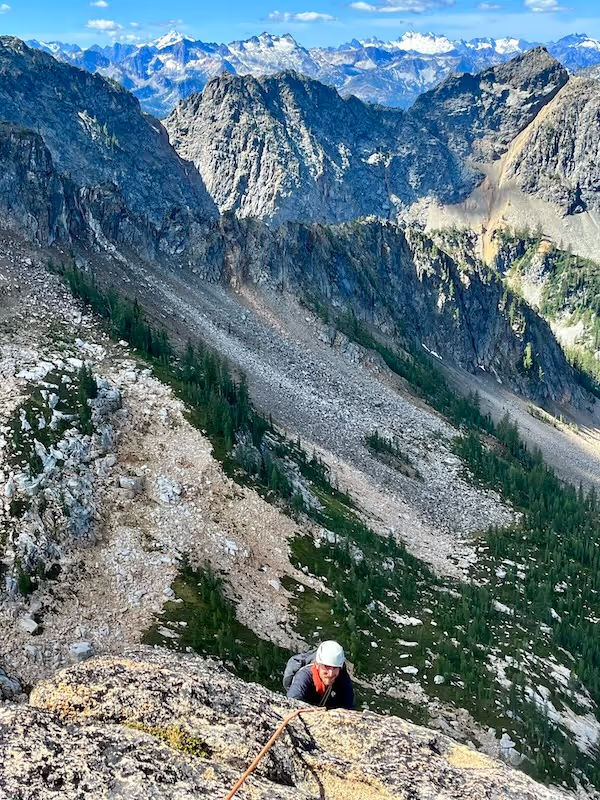
Core Technical Skills You Will Learn
Our practical curriculum focuses on high-retention, step-by-step rescue systems that work on real rock:
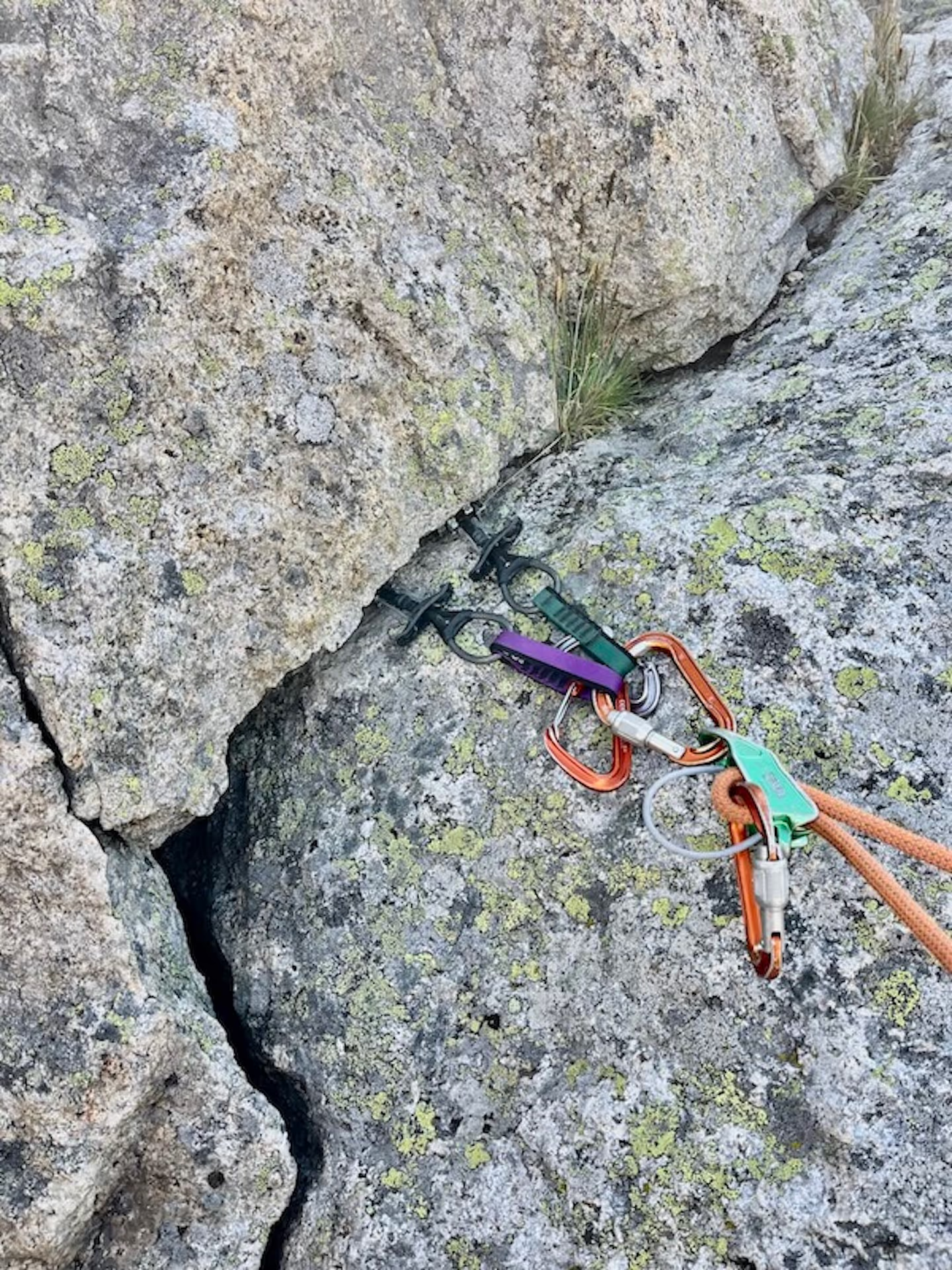
- Escaping the Belay: Learn the foundational sequence to safely tie off the belay and transfer the load of a fallen climber onto the anchor so you can take action.
- Ascending a Fixed Rope: Master the mechanics of using friction hitches, or mechanical ascenders to climb up to a stranded or injured partner.
- Mechanical Advantage Hauling: Practice building 3:1 and 6:1 hauling systems to lift a heavy load or assist a climber over a difficult roof.
- Lowers, Counter-Balance & Tandem Rappelling: Learn advanced descent tactics to safely lower a partner or descend with an injured partner back down to the ground together
Our Small-Group Guiding Guarantee
This course operates at a strict 6:1 student-to-guide ratio. This guarantees your guide can inspect every knot, friction hitch, and load transfer you execute during the day.
Course Prerequisites
This is an advanced safety course. Before enrolling, participants must meet these criteria:
- Climbing Experience: Solid proficiency with outdoor sport or traditional lead climbing and building multi-point anchors.
- Foundational Ropework: Complete comfort tying clove hitches, munter hitches, prusiks, and friction knots on the fly.
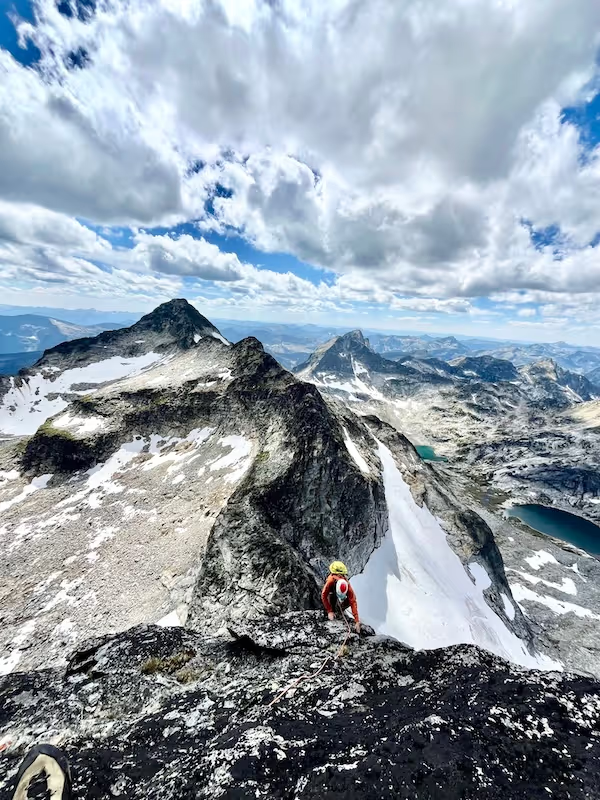
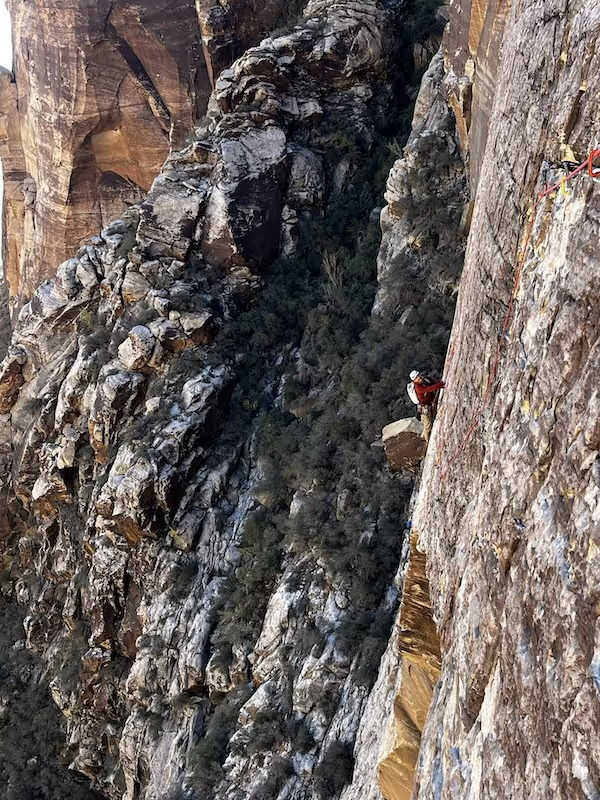
Course Format
Course Format
Instruction Style
Systematic & Progression:
- We start with ground-level setups where you can easily visualize and master the mechanics of weight transfers, load releases, and hauling configurations.
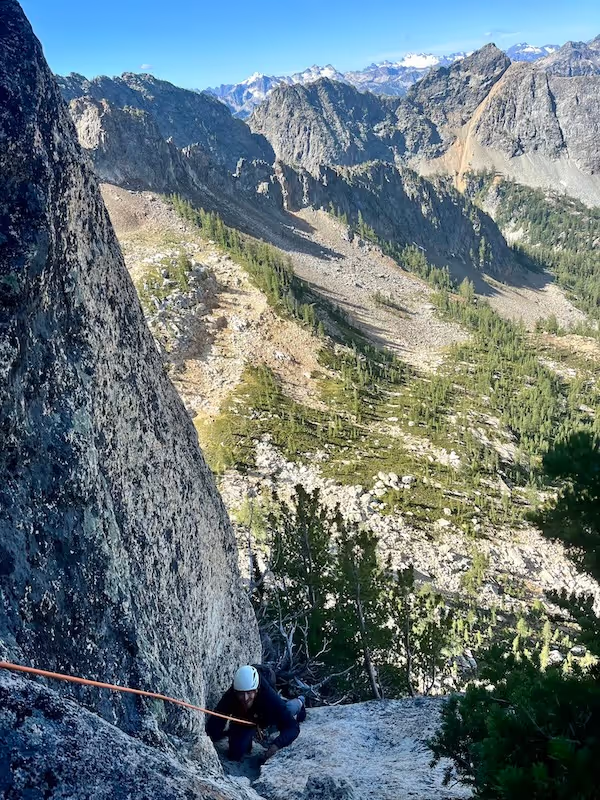
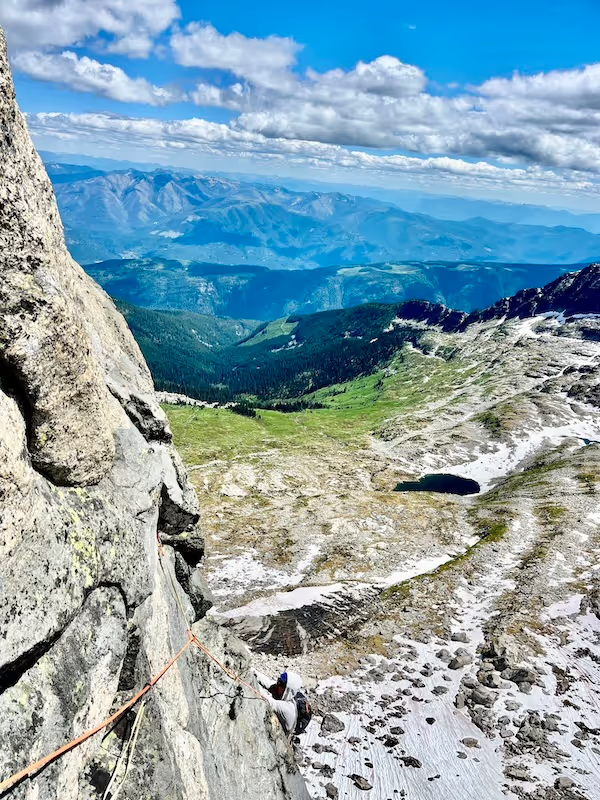
- Real-World Application: Once the foundational steps are fluid, you will transition onto vertical rock faces to execute realistic, scenario-based rescue drills with top-rope safety backups and the direct supervision of your guide.
Enrollment & Available Dates
Pricing
Physical fitness
Sustained climbing and skiing at elevation demands aerobic capacity and leg strength.
Mountain experience
Prior backcountry skiing or mountaineering experience is strongly recommended before enrollment.
Equipment list
Rock Rescue Gear List
- Mountaineering Boots or Technical Approach Shoes: Stiff, sticky-soled footwear with excellent traction for scrambling.
- Climbing Harness: A lightweight rock or alpine climbing harness in excellent structural condition.
- Climbing Helmet: A UIAA-approved helmet (mandatory for all field sessions).
- Belay Device & Locking Carabiners: A standard tubular belay device along with 4 locking carabiners and four non-locking carabiners
- Slings & Cord: One 120cm sewn nylon or dyneema sling and two x 5m length of 7mm accessory cord.
- Progress Capture Pulley
- Single Rack
- Personal Prussik
Personal Apparel & Pack
- Alpine Daypack: A streamlined 25L to 35L pack that sits tightly against your back while scrambling.
- Weather Layers: A windproof/waterproof shell jacket and a light packable insulation layer for ridges.
- Active Wear: Durable, stretchy mountain pants that allow full range of motion.
Food & Personal Essentials
- Hydration: Minimum 2L of water in lightweight, durable bottles.
- Nutrition: High-energy snacks and a packed lunch that can be eaten quickly on the move.
- Sun Protection: High-SPF sunscreen, UV lip balm, and sunglasses.
Arctos Trip Inventory
The complete Arctos Trip Inventory