
Intro to Alpine Climbing
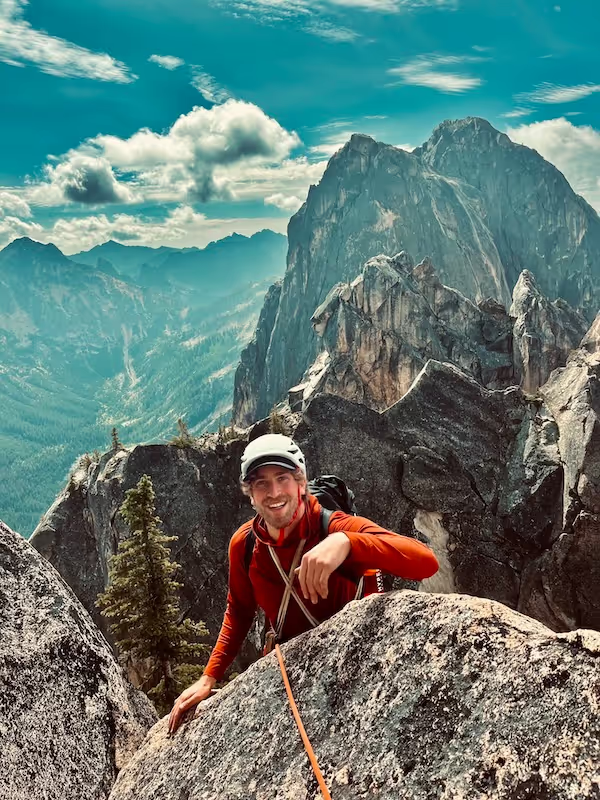
Intro to Alpine Climbing Course Overview
Transition from indoor rock climbing or hiking into the high-alpine environment. This intensive mountaineering course is designed to equip you with the essential technical skills, safety protocols, and ropework required to confidently ascend glaciated peaks, alpine ridges, and alpine rock faces. Under the direct guidance of certified ACMG alpine guides, you will build a solid foundation in modern mountaineering and alpine travel.
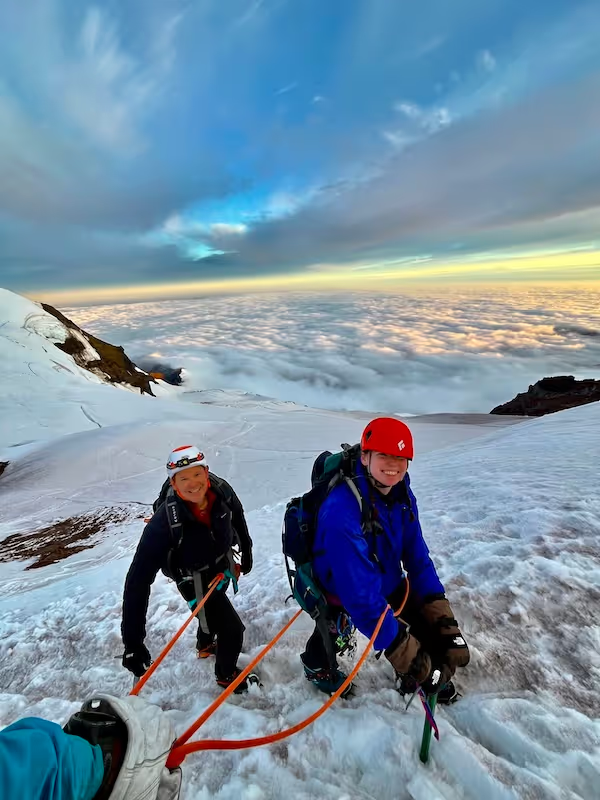
Core Technical Skills You Will LearnOur structured curriculum focuses on building real-world competence in high-consequence mountain terrain:
- Alpine Ropework & Rigging: Master essential knots, hitches, and rope management strategies tailored specifically for moving quickly over alpine terrain.
- Snow & Ice Travel: Learn proper ice axe techniques, self-arrest procedures, and efficient crampon footwork for ascending steep snow slopes.
- Glacier Travel & Crevasse Rescue: Understand rope-team spacing, route-finding through icefalls, and hands-on mechanical advantage hauling systems for crevasse extraction.
- Alpine Belays & Anchors: Practice building rock, snow, and ice protection anchors using traditional gear, pickets, and ice screws.
Our Small-Group Guiding GuaranteeAlpine climbing requires high communication and strict safety oversight. This course runs at a maximum 4:1 student-to-guide ratio to ensure you receive personalized coaching, direct safety oversight, and maximum hands-on practice with technical gear.
Course Prerequisites
Before entering the alpine environment, participants should meet the following baseline requirements:
- Fitness Level: Strong cardiovascular stamina; ability to carry a 35lb pack uphill for multiple consecutive hours.
- Climbing Experience: Basic indoor or outdoor rock climbing experience (ability to tie a figure-8 knot and belay a partner) is highly recommended.
- No Prior Alpine Experience Required: This course is intentionally designed for beginner mountaineers and mountain hikers looking to step up their technical skill set.
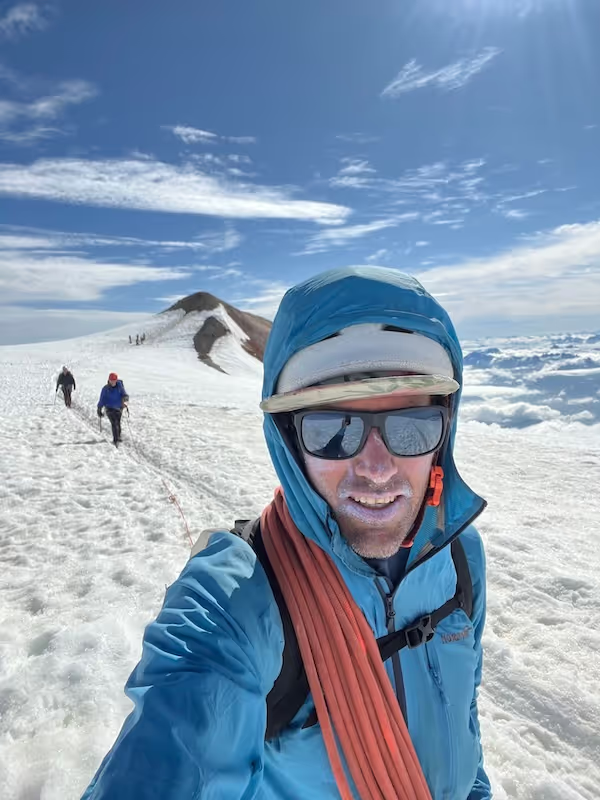
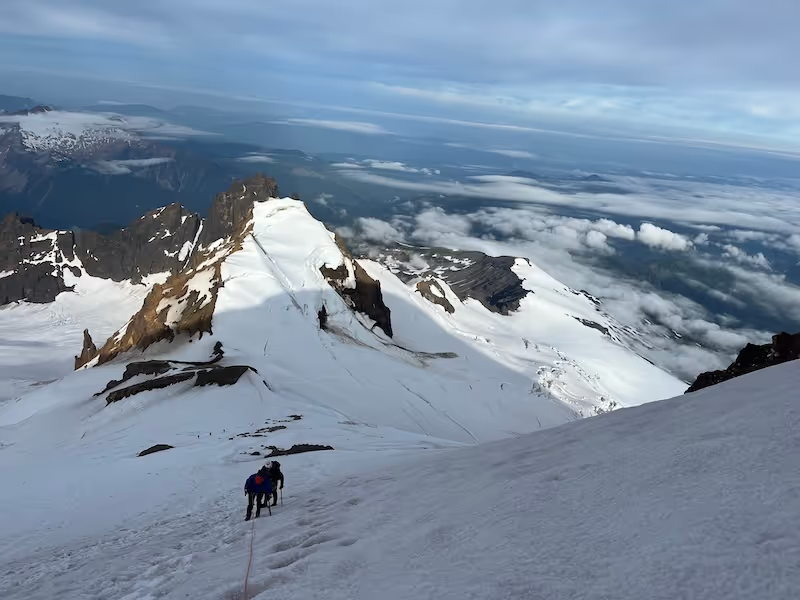
Course Format
Course Format
- Duration: 3 Full Days (Intensive alpine and glacier field-based sessions).
- Group Dynamics: Strictly limited to a maximum 4:1 student-to-guide ratio to guarantee high-consequence safety management, close communication, and individualized gear coaching.
- Location: Kootenays, BC (Field session basecamp).
Instruction Style
Enrollment & Available Dates
Pricing
$999+ Tax
Physical fitness
Sustained climbing and skiing at elevation demands aerobic capacity and leg strength.
Mountain experience
Prior backcountry skiing or mountaineering experience is strongly recommended before enrollment.
Equipment list
Gear List
- Mountaineering Boots: Sturdy, stiff-soled, and crampon-compatible boots (leather or synthetic).
- Crampons: 12-point mountaineering crampons pre-fitted to your boots with mandatory anti-balling plates.
- Ice Axe: A classic straight-shaft alpine ice axe sized appropriately for your height.
- Climbing Harness: Standard rock or alpine-specific harness with adjustable leg loops to fit over layers.
- Climbing Helmet: UIAA-approved helmet for protection against rock and ice fall.
- Carabiners & Cord: See our Crevasse Rescue Kit
Alpine Apparel & Layering
- Outer Shell: Waterproof and breathable jacket and pants (Gore-Tex or equivalent) to block mountain wind, rain, and snow.
- Insulation Layer: A high-loft down or synthetic puffy jacket with a hood for cold ridges and static training.
- Mid-Layers: Breathable fleece or softshell jacket alongside active-travel mountain pants (no cotton or denim).
- Base Layers: Moisture-wicking synthetic or merino wool upper and lower body thermal layers.
- Gloves & Headwear: One heavy pair of waterproof gloves, one light pair of climbing/liner gloves, a warm toque, and a protective sun hat.
- Eyewear: Category 3 or 4 UV-blocking glacier glasses and a pair of ski goggles for high-wind conditions.
Pack & Backcountry Essentials
- Mountaineering Backpack: A robust 35L to 45L pack capable of handling heavy loads, ice tools, and external rope attachments.
- Headlamp: A bright headlamp with fresh batteries or a full charge (crucial for early alpine starts).
- Hydration: Minimum 2L total capacity using wide-mouth water bottles or an insulated Thermos (hydration bladder hoses freeze easily on glaciers).
- Nutrition: High-energy, pocket-accessible snacks and a packed lunch for full, active mountain days.
- Personal Care: High-SPF sunscreen, UV lip balm, insect repellent, and a minimalist personal blister/first aid kit.
Arctos Trip Inventory
The complete Arctos Trip Inventory